3D Kimono Dragon: A Fusion of Strength and Tradition in Digital Art
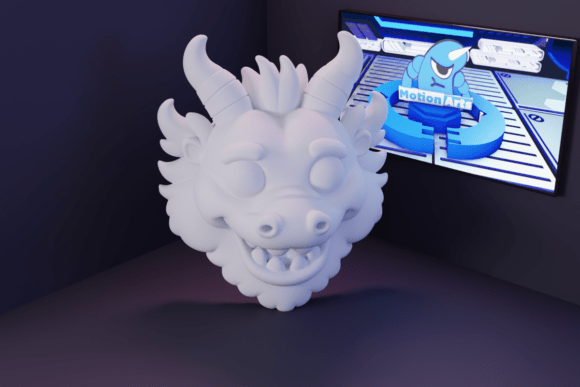
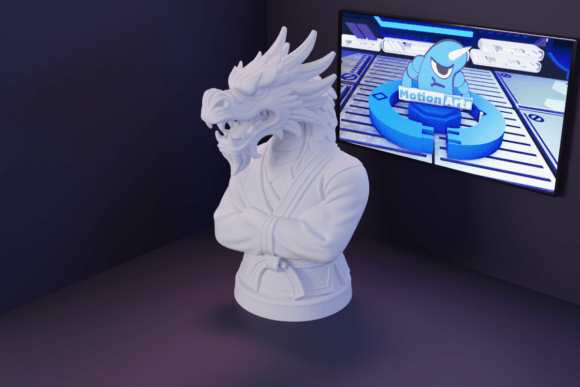
In the rapidly evolving landscape of digital fabrication, the intersection of cultural heritage and modern technology offers unique opportunities for creators. One striking example of this synthesis is the 3D Kimono Dragon. This model is not merely a static figure; it represents a deliberate blend of Eastern wisdom and the dynamic energy associated with legendary dragons. By combining the disciplined aesthetics of martial arts attire with the mythical power of draconic imagery, this design appeals to a diverse audience ranging from serious collectors to enthusiasts of Japanese culture.
The concept behind the 3D Kimono Dragon goes beyond simple ornamentation. It serves as a tangible representation of balance—merging the fluidity of traditional fabric folds with the rigid, scaled texture of a dragon’s hide. For those interested in 3D printing, this model presents both an artistic challenge and a rewarding project. The intricate details of the kimono, paired with the dragon’s striking expression, require careful consideration during the printing process, making it an ideal subject for hobbyists looking to refine their skills while producing a visually captivating piece.
The Symbolism Behind the Design
To fully appreciate the 3D Kimono Dragon, one must understand the cultural symbols embedded within its design. In many East Asian traditions, the dragon is a benevolent creature, symbolizing strength, good luck, and authority. Unlike Western interpretations that often depict dragons as malevolent beasts, Eastern dragons are revered as wise guardians. When this creature is adorned in a kimono, a garment deeply rooted in Japanese history and social etiquette, the resulting image conveys a message of dignified power.
The kimono itself is a masterpiece of textile art, characterized by its T-shaped structure and elaborate patterns. Translating this soft, flowing fabric into a hard, durable material like PLA or resin requires a high level of digital sculpting precision. The 3D Kimono Dragon captures these nuances, showcasing the layered collars, wide sleeves, and sash (obi) with remarkable fidelity. This attention to detail ensures that the final print is not just a toy, but a display piece that respects the cultural origins of its inspiration.
For martial artists and fans of anime or manga, this model resonates on a personal level. It embodies the spirit of discipline and tradition, making it a meaningful addition to a dojo, a home office, or a collection of cultural artifacts. The cartoon style mentioned in the model’s description adds a layer of accessibility, softening the intensity of the dragon while maintaining its majestic presence. This stylistic choice makes the figure appealing to a broader demographic, including younger audiences and those who prefer stylized art over hyper-realism.
Technical Considerations for 3D Printing
Printing a complex model like the 3D Kimono Dragon requires more than just loading an STL file and pressing start. To achieve the best results, users must understand the technical limitations and possibilities of their specific 3D printer. The model is provided as an STL file, which is ready for slicing, but the success of the print largely depends on the user’s settings and hardware capabilities.
- Support Structures: Given the intricate folds of the kimono and the potentially extended limbs or wings of the dragon, support structures are likely necessary. These supports prevent overhangs from collapsing during the printing process. However, removing supports from detailed areas like the fabric folds can be challenging. Using tree supports or customizable support interfaces can help minimize scarring on the final model.
- Orientation: The orientation of the model on the print bed is critical. Placing the dragon in a way that minimizes the need for supports on visible surfaces is key. Often, printing the model at an angle can improve surface quality and structural integrity. Users should experiment with different orientations in their slicer software to find the optimal setup.
- Layer Height and Resolution: To capture the fine details of the kimono’s pattern and the dragon’s scales, a lower layer height is recommended. While this increases printing time, it significantly enhances the visual fidelity of the final product. For resin printers, high-resolution modes are ideal, while FDM printers may benefit from a 0.1mm or 0.12mm layer height.
- Material Selection: The choice of material affects both the appearance and durability of the 3D Kimono Dragon. PLA is a popular choice for its ease of use and vibrant color options. For a more premium finish, silk PLA can mimic the sheen of traditional silk kimonos. Resin prints offer superior detail but require post-processing, including washing and curing.
It is important to note that this is a digital 3D model, specifically an AI-generated 3D design. As such, actual printed results may vary depending on your printer, materials, and slicer settings. Some models may require support structures or specific orientations for successful printing. Please review the file in your slicer before printing to ensure compatibility with your specific setup.
Applications and Use Cases
The versatility of the 3D Kimono Dragon allows it to serve various purposes across different contexts. Its aesthetic appeal and cultural significance make it suitable for a wide range of applications, from personal decoration to professional displays.
- Home and Office Decor: The model serves as an excellent conversation starter. Placed on a bookshelf, desk, or mantelpiece, it adds a touch of exotic elegance to any room. Its cartoon style ensures it fits well in modern, eclectic, or Asian-inspired interior designs.
- Gifts for Enthusiasts: For friends or family members who are fans of Japanese culture, martial arts, or fantasy genres, this model makes a thoughtful and unique gift. It demonstrates an understanding of their interests and provides them with a tangible item they can display with pride.
- Educational Tools: Educators teaching about Asian culture, mythology, or digital art can use the 3D Kimono Dragon as a visual aid. It can help illustrate concepts related to traditional clothing, mythical creatures, and the process of digital fabrication.
- Tabletop Gaming and Role-Playing: Dungeon Masters and players of tabletop role-playing games often seek unique miniatures to represent characters or NPCs. While this model may be larger than standard miniatures, it can serve as a centerpiece for a campaign set in an Asian-inspired fantasy world.
- Artistic Inspiration: For digital artists and sculptors, studying the geometry and topology of the 3D Kimono Dragon can provide insights into how to handle complex forms and textures in their own work. It serves as a reference for blending organic and structured elements.
Evaluating Suitability for Your Project
Before committing to printing the 3D Kimono Dragon, it is essential to evaluate whether it aligns with your current projects and capabilities. Consider the following factors:
Skill Level: If you are a beginner in 3D printing, this model may present a moderate challenge due to its complexity. However, with careful preparation and patience, it is achievable. Experienced users will find it a satisfying project that showcases their ability to handle detailed prints.
Time and Resources: High-detail prints take time. Ensure you have the necessary filament or resin, as well as the time to monitor the print and perform post-processing. The satisfaction of completing such a detailed model is worth the investment, but planning is crucial.
Aesthetic Preferences: Consider whether the cartoon style aligns with your taste. If you prefer hyper-realistic models, this might not be the right choice. However, if you appreciate stylized art that balances realism with artistic interpretation, this model is an excellent fit.
Conclusion
The 3D Kimono Dragon stands as a testament to the creative potential of modern 3D printing technology. By merging the symbolic power of the dragon with the elegant tradition of the kimono, it creates a piece that is both visually stunning and culturally rich. Whether you are a collector, a martial artist, or simply a fan of unique digital art, this model offers a compelling project that rewards attention to detail and technical skill.
As with any digital fabrication project, success lies in preparation. Review your slicer settings, choose your materials wisely, and approach the printing process with patience. The result is a distinctive artifact that embodies strength and tradition, ready to be displayed, gifted, or cherished as a symbol of the harmonious blend between ancient wisdom and modern innovation.