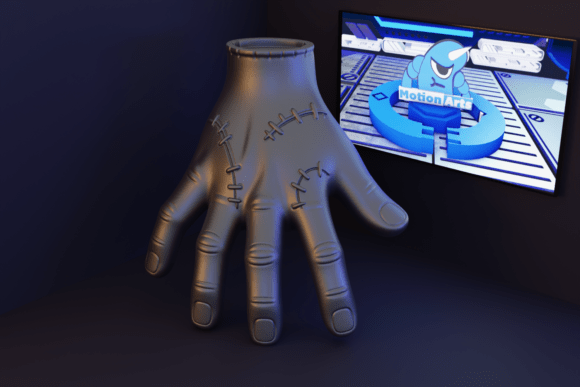
Terror Hand: A 3D Model for Macabre Creators
There is a distinct thrill in holding something tangible that originated in the digital realm, especially when that object evokes a visceral reaction. The Terror Hand is more than just a standard 3D printable file; it is a conduit for atmospheric storytelling. Whether you are a seasoned prop maker, a tabletop gaming enthusiast, or a hobbyist looking to add a edge to your home decor, this model offers a unique blend of horror aesthetics and structural integrity. It transforms the abstract concept of fear into a physical object you can display, paint, and integrate into larger creative projects.
In the world of additive manufacturing, finding models that balance visual impact with printability can be challenging. Many horror-themed designs sacrifice detail for ease of printing, or vice versa. The Terror Hand strikes a necessary balance. Designed with both FDM (Fused Deposition Modeling) and resin printers in mind, it serves as a versatile asset for creators who value efficiency without compromising on the eerie quality of the final piece. This article explores how you can leverage this model to enhance your portfolio, elevate your gaming sessions, or simply satisfy a fascination with the macabre.
Bridging Digital Design and Physical Horror
The appeal of the Terror Hand lies in its immediate recognizability and its adaptability. Horror is a genre that relies heavily on atmosphere, and few symbols are as universally unsettling as a disembodied hand reaching out from the shadows. By utilizing a high-quality STL file, you bypass the steep learning curve of sculpting organic forms from scratch. This allows you to focus on what truly matters: presentation and context.
For designers and marketers, this model represents an opportunity to create compelling visual content. In an era where digital noise is constant, physical props photographed in high resolution can stop the scroll. Imagine using the printed hand as a centerpiece for a Halloween campaign, a thumbnail for a horror-themed podcast, or a background element for product photography that requires a darker tone. The detailed design ensures that even close-up shots reveal texture and depth, providing a professional look that generic plastic toys cannot match.
Furthermore, the model’s structure is engineered for stability. This is crucial for creators who intend to use the piece in interactive environments. Unlike fragile figurines that snap under minor pressure, the Terror Hand is built to withstand handling, making it suitable for escape rooms, haunted house attractions, or educational demonstrations about anatomy and art history where a touch of dramatic flair is welcome.
Creative Applications for Makers and Hobbyists
The versatility of the Terror Hand extends far beyond simple shelf display. Here are several practical ways different creators can integrate this model into their workflows:
- Tabletop Gaming Enhancements: Dungeon Masters and Game Masters can use the hand as a dynamic prop. Place it emerging from a pile of gold coins, clutching a cursed artifact, or reaching out from a dungeon wall. It adds a tactile layer to storytelling, helping players immerse themselves in the narrative. You can paint it to match the specific aesthetic of your campaign, whether it is gothic, zombie-apocalypse, or eldritch horror.
- Diorama Construction: For model makers, the hand serves as a focal point in larger scenes. Combine it with 3D-printed rubble, moss, or broken chains to create a snapshot of a terrifying moment. The sturdy base allows it to be glued securely to various surfaces, ensuring your diorama remains intact during transport to conventions or exhibitions.
- Halloween Decor and Props: Instead of buying mass-produced plastic decorations, print a set of Terror Hands to create a custom installation. Mount them on walls, have them gripping doorframes, or bury them partially in planters. Because the file is digital, you can print as many as you need to achieve the desired level of intensity, scaling them up or down to fit your space.
- Artistic Reference and Study: Art students and educators can use the printed model as a reference for lighting and shading exercises. The complex interplay of light and shadow on the fingers and palm provides an excellent subject for studying form and texture in drawing or painting classes.
Optimizing Your Print for Best Results
To ensure your Terror Hand looks its best, understanding the nuances of your printing technology is essential. While the model is designed for compatibility with both FDM and resin printers, the approach differs for each.
If you are using an FDM printer, focus on layer height and infill. A layer height of 0.1mm to 0.2mm will capture the finer details of the skin texture and wrinkles. Use supports generously, particularly under the fingers and palm, to prevent sagging. After printing, careful removal of support marks and light sanding will prepare the surface for priming. Consider using a PLA+ or PETG filament for added durability, especially if the prop will be handled frequently.
For resin printer users, the Terror Hand will shine with minimal post-processing. Resin printing excels at capturing the intricate details of horror designs. Ensure your model is oriented correctly to minimize support contact points on visible surfaces. High-detail resins will bring out the subtle nuances of the design, such as veins or scars, which can be highlighted during the painting process. Always cure the model thoroughly to ensure long-term stability and prevent stickiness.
Regardless of your method, remember that printing is only half the battle. The true magic happens during finishing. A wash of dark paint can accentuate the depths, while dry brushing with lighter tones can highlight the raised textures. This technique, known as weathering, adds realism and age, making the hand look like it has emerged from a centuries-old crypt rather than a plastic extruder.
Ethical Considerations and Digital Ownership
As with any AI-generated or digitally sourced asset, it is important to acknowledge the nature of the design. The Terror Hand is a digital creation, and while the STL file provides the blueprint, the final result is dependent on your skill and equipment. Actual printed results may vary depending on your printer calibration, material choices, and slicer settings. Some models may require specific orientations or additional support structures for successful printing.
Creators should always review the licensing terms associated with the download. Respect intellectual property rights and give credit where due. By doing so, you contribute to a healthy ecosystem where designers feel encouraged to share high-quality resources. This collaborative spirit drives innovation in the 3D printing community, leading to better tools and more inspiring models for everyone.
Embracing the Dark Aesthetic
Incorporating elements like the Terror Hand into your work is not just about shock value; it is about exploring the full spectrum of human emotion through design. Horror challenges us to confront the unknown, and creating physical representations of these fears can be a empowering creative exercise. It allows you to take control of the narrative, transforming anxiety into art.
Whether you are building a brand around the unconventional, designing immersive experiences, or simply enjoying the craft of 3D printing, this model offers a solid foundation. It invites you to experiment with lighting, composition, and storytelling. Do not be afraid to modify the design, combine it with other elements, or use it in unexpected contexts. The most memorable creations often come from pushing boundaries and embracing the unusual.
Download the file, adjust your settings, and let your creativity emerge from the shadows. With the right approach, the Terror Hand can become a signature piece in your collection, sparking conversation and inspiration wherever it is displayed.