Horus: Integrating Ancient Mythology into Modern 3D Printing Workflows
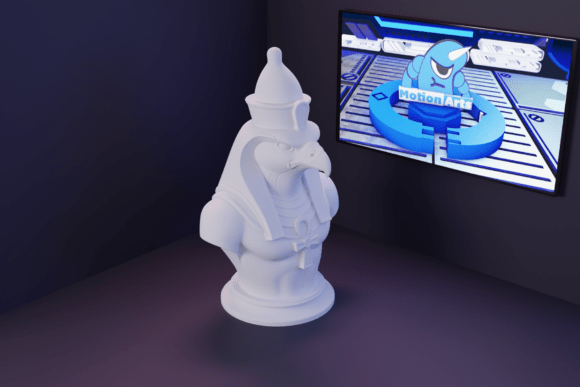
The intersection of ancient history and modern technology offers a unique canvas for creators, educators, and hobbyists. Among the pantheon of Egyptian deities, Horus stands out not only for his mythological significance but also for his striking visual identity. As the falcon-headed god of kingship, protection, and the sky, Horus represents a powerful symbol that transcends time. Today, this iconic figure is finding new life through digital fabrication, specifically via high-quality 3D STL files designed for both FDM (Fused Deposition Modeling) and resin printers.
For professionals in creative industries, entrepreneurs looking for distinctive decor, or enthusiasts building mythological collections, the availability of a print-ready Horus model bridges the gap between historical appreciation and tangible art. This article explores the relevance of integrating such models into contemporary workflows, the technical considerations for successful printing, and the broader cultural trend of bringing historical artifacts into modern spaces.
The Enduring Appeal of the Falcon God
Horus is one of the most recognizable figures in ancient Egyptian iconography. Typically depicted as a man with the head of a falcon, or simply as a falcon wearing the double crown of Upper and Lower Egypt, he embodies royal power and divine protection. The Eye of Horus, another associated symbol, represents healing, protection, and good fortune. These attributes make the deity a compelling subject for artistic representation.
In recent years, there has been a noticeable shift in how consumers and creators engage with historical themes. Rather than viewing ancient mythology as distant or academic, many are incorporating these symbols into interior design, educational tools, and personal collections. This trend reflects a desire for meaningful decor—objects that carry narrative weight and aesthetic grandeur. A 3D printed model of Horus serves this purpose effectively, offering a tactile connection to ancient wisdom and strength.
For educators and content creators, having a physical model of Horus can enhance storytelling. Whether used in a classroom to discuss Egyptian history or in a video production to illustrate mythological concepts, a detailed 3D model provides a versatile prop that is both accurate and customizable. The ability to scale, paint, and position the model allows for tailored applications that static images or generic figurines cannot match.
Digital Fabrication: From STL File to Physical Artifact
The process of transforming a digital design into a physical object has become increasingly accessible, thanks to advancements in consumer-grade 3D printing. The Horus 3D STL file is engineered to leverage these technologies, offering a solid model that is optimized for various printing methods. Understanding the nuances of this process is essential for achieving high-quality results.
Compatibility with FDM and Resin Printers
One of the key advantages of this specific Horus model is its versatility. It is designed to be print-ready for both FDM and resin-based systems, each of which offers distinct benefits:
- FDM Printing: Ideal for larger displays or when cost-efficiency is a priority. FDM printers use thermoplastic filaments, which are durable and available in a wide range of colors. For a Horus statue, PLA or PETG filaments can provide a sturdy base that is easy to post-process and paint.
- Resin Printing: Best suited for intricate details and smooth surface finishes. Resin printers, such as SLA or DLP machines, capture fine features like the texture of feathers or the contours of the facial mask with exceptional precision. This method is preferred for collectors who prioritize visual fidelity and plan to display the model at a smaller scale.
Regardless of the chosen technology, the STL file is structured to minimize common printing issues. However, users should always review the model in their slicer software before printing. Adjusting orientation, adding support structures where necessary, and selecting appropriate layer heights are critical steps to ensure the final product reflects the divine energy and protective stance of the god.
The Role of AI-Generated Design
It is important to note that this 3D model is an AI-generated design. The use of artificial intelligence in creating 3D assets is a growing trend in the digital content market. AI algorithms can analyze vast datasets of historical imagery and artistic styles to generate complex geometries that might be time-consuming to model manually. This approach allows for rapid iteration and the creation of unique interpretations of classical subjects.
While AI generation accelerates the design phase, it also requires careful validation by the user. The disclaimer accompanying the file rightly notes that actual printed results may vary depending on printer settings, materials, and slicer configurations. Creators should approach AI-generated models with a mindset of collaboration—using the digital file as a robust starting point that may require minor adjustments to perfect the final output.
Practical Applications for Creators and Businesses
Beyond personal enjoyment, the Horus 3D model offers practical value for various professional and commercial applications. As the maker economy continues to expand, individuals and small businesses are seeking unique products that stand out in crowded marketplaces.
Themed Decoration and Interior Design
Interior designers and homeowners are increasingly moving away from mass-produced decor in favor of bespoke pieces. A painted and finished Horus statue can serve as a focal point in a study, library, or living space. Its symbolism of protection and wisdom aligns well with environments dedicated to work, learning, or reflection. By customizing the paint scheme—using gold accents to highlight royalty or earth tones to emphasize antiquity—creators can tailor the piece to specific aesthetic preferences.
Educational Tools and Historical Reenactment
Educators and museum professionals can utilize 3D printed models to create hands-on learning experiences. Unlike fragile artifacts, 3D prints are durable and can be handled by students, allowing for closer examination of stylistic features. Additionally, historical reenactors and cosplay enthusiasts can incorporate scaled versions of the Horus model into props or costume accessories, adding authenticity to their presentations.
Content Creation and Digital Marketing
For bloggers, YouTubers, and social media influencers, visually striking content is essential. A time-lapse video of the Horus model being printed, followed by a painting tutorial, can engage audiences interested in both technology and art. Such content not only showcases the creator’s skills but also drives interest in the underlying mythological narrative, fostering a deeper connection with viewers.
Best Practices for Printing and Finishing
To maximize the quality of your Horus 3D print, consider the following recommendations based on industry standards and user experiences:
- Pre-Print Inspection: Always open the STL file in your preferred slicer software. Check for non-manifold edges or errors that could affect printing. Orient the model to minimize overhangs and reduce the need for excessive supports, which can leave marks on the surface.
- Support Structures: Depending on the pose of the Horus model, support structures may be necessary for areas such as the wings or the crown. Use tree supports or customized manual supports for easier removal and cleaner surfaces.
- Material Selection: Choose a filament or resin that complements your intended finish. For painting, light-colored PLA or grey resin provides a neutral base that makes colors pop. For a metallic look, consider using bronze-filled filaments or applying metallic paints post-print.
- Post-Processing: Sanding and priming are crucial steps for achieving a professional appearance. Remove support marks carefully, sand the surface to smooth layer lines, and apply a primer before painting. This ensures that the details of the falcon god’s features are highlighted effectively.
- Safety Precautions: When working with resin, always wear appropriate protective gear, including gloves and masks, and ensure proper ventilation. Follow manufacturer guidelines for curing and disposal.
Embracing the Fusion of History and Technology
The availability of the Horus 3D STL file exemplifies how technology can democratize access to cultural heritage. It allows individuals to engage with ancient symbols in a personal and creative way, transforming digital data into tangible objects of beauty and meaning. Whether you are a seasoned 3D printing enthusiast, a history buff, or a designer seeking unique elements, this model offers a pathway to explore the enduring legacy of Egyptian mythology.
As we continue to integrate digital tools into our creative practices, the boundary between past and present becomes increasingly porous. By printing, coloring, and displaying the image of Horus, we do more than decorate our spaces; we participate in a long tradition of honoring wisdom, protection, and royal authority. This fusion of ancient symbolism and modern fabrication invites us to reflect on the timeless nature of these values while embracing the innovative possibilities of today’s technology.
For those ready to bring the strength and wisdom of the Egyptian god Horus into their collection, the process begins with a single click. Download the file, prepare your printer, and let the creative journey unfold. The result is not just a plastic or resin object, but a testament to the enduring power of myth and the limitless potential of human ingenuity.