Zombie Bust: 3D Printing Guide
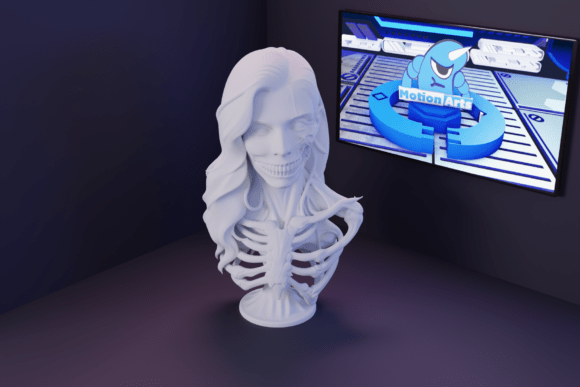
Creating a centerpiece that genuinely captures attention requires more than just standard decor; it demands a narrative element that stops viewers in their tracks. The Zombie Bust serves precisely this purpose, offering a blend of macabre realism and artistic detail that elevates any display. Whether you are a seasoned 3D printing enthusiast looking for a challenging print or a hobbyist seeking unique Halloween decorations, this model provides a compelling project. By utilizing a high-quality STL file, creators can produce a tangible piece of horror art that resonates with fans of the genre and adds a distinct visual weight to shelves, desks, or dioramas.
Elevating Visual Storytelling Through Detailed Models
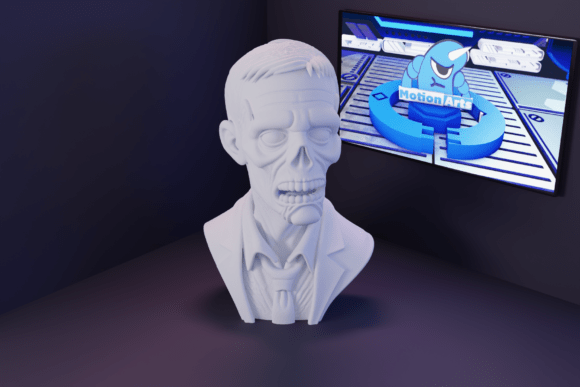
The primary value of the Zombie Bust – STL Model for 3D Printing lies in its ability to convey a story without words. In tabletop gaming, film production, or interior design, context is everything. A generic skeleton or plastic monster often fails to evoke an emotional response because it lacks the nuanced imperfections of reality. This specific model addresses that gap by capturing the terrifying essence of a zombie in stunning detail. The decayed texture, the hollowed eyes, and the structural asymmetry of the face contribute to a sense of unease that is difficult to replicate with simpler designs.
For dungeon masters and game designers, incorporating such a detailed bust into a campaign setting can significantly enhance player immersion. Placing this model on a game master’s screen or using it as a prop during a session creates a tactile connection to the narrative. Similarly, filmmakers and content creators working on low-budget horror projects can use printed replicas as cost-effective props. When painted correctly, the resin or filament can mimic the look of rotting flesh or dried bone, providing a professional aesthetic without the expense of custom sculpting or hiring special effects artists.
Practical Applications for Creators and Collectors
Beyond entertainment, the Zombie Bust offers practical benefits for educators and artists studying anatomy and texture. Understanding how light interacts with irregular surfaces is crucial for painters and digital artists. Printing this model allows individuals to practice advanced painting techniques, such as dry brushing, washing, and layering, on a complex surface. The deep crevices and varied topography of the zombie’s face provide an excellent training ground for mastering shadow and highlight placement.
- Halloween Decor: Create atmospheric displays that stand out from mass-produced plastic decorations.
- Diorama Building: Add a focal point to fantasy or post-apocalyptic scenes, enhancing the scale and realism of the environment.
- Portfolio Pieces: Demonstrate painting and finishing skills to potential clients or employers with a high-impact visual sample.
- Gift Giving: Offer a unique, hand-finished item to friends who appreciate horror aesthetics or 3D printing craftsmanship.
For small business owners who sell handmade goods, offering a finished, painted version of this bust can differentiate your product line. While many sellers offer generic prints, a meticulously painted Busto de Zumbi demonstrates a higher level of skill and care, potentially commanding a higher price point. It transforms a simple digital file into a curated art piece, appealing to collectors who value uniqueness over convenience.
Navigating Technical Considerations for Optimal Results
While the design is striking, achieving the best results requires an understanding of 3D printing mechanics. It is important to note that this is a digital 3D model, specifically an AI-generated 3D design. As with any digital asset, the final physical output depends heavily on your hardware and settings. Actual printed results may vary depending on your printer, materials, and slicer settings. Users should approach the printing process with patience and a willingness to experiment.
One critical factor is orientation. Some models may require support structures or specific orientations for successful printing. Printing the bust upright might preserve the finest facial details but could require extensive support removal around the neck and chin. Conversely, printing at an angle might reduce support contact points on the face but could introduce layer lines that are more visible on the forehead. Reviewing the file in your slicer before printing is essential. Take time to generate supports manually if necessary, ensuring they do not obscure key features like the eyes or mouth, which are central to the model’s expressive power.
Material choice also plays a significant role. Resin printers generally offer higher resolution, capturing the subtle textures of skin decay more effectively than fused deposition modeling (FDM) printers. However, FDM printers can still produce impressive results if used with a small nozzle size and fine layer heights. If using filament, consider using a matte PLA or a specialized stone-filled filament to reduce the plastic sheen and enhance the realistic, organic appearance of the zombie.
Customization and Creative Freedom
The advantage of owning the STL file for the Zombie Bust is the freedom to modify and customize. Unlike static store-bought figures, a digital model allows for scaling. You can print a miniature version for tabletop gaming tokens or a large-scale version for a shelf centerpiece. This scalability ensures the model fits your specific spatial constraints and aesthetic goals.
Furthermore, the digital nature of the file allows for post-processing creativity. Before printing, users can use mesh editing software to add custom bases, integrate mounting holes for wall display, or even combine elements from other models to create unique hybrid creatures. This flexibility supports creativity by removing the limitations of pre-manufactured goods. For educators, this means students can learn not just about printing, but about digital sculpting and modification, adding a valuable technical skill set to their creative toolkit.
Assessing Fit and Limitations
It is vital to maintain realistic expectations. Because this is an AI-generated design, there may be occasional artifacts or geometric inconsistencies that require manual cleanup. Users should inspect the mesh for non-manifold edges or intersecting geometry before slicing. While the overall form is robust, fine details such as individual teeth or thin strands of hair may be fragile. These areas might need reinforcement during the printing process or careful handling during post-processing.
Additionally, the "terror" effect is largely dependent on the finishing work. A raw, unpainted print will look like a plastic object. To achieve the intended impact, investment in quality paints and sealing varnishes is necessary. Those unwilling to engage in the painting process may find the result less satisfying. Therefore, this model is best suited for individuals who enjoy the full workflow of 3D creation, from digital preparation to physical finishing.
In conclusion, the Zombie Bust represents more than just a file to be printed; it is an opportunity to engage with digital fabrication in a meaningful way. It challenges users to refine their technical settings, hone their artistic painting skills, and create a piece that holds genuine visual weight. By understanding the nuances of the model and preparing adequately for the printing process, creators can produce a standout piece that enhances their collection, supports their professional portfolio, or simply brings a touch of controlled chaos to their home decor.